Slow Flow and Low Pressure
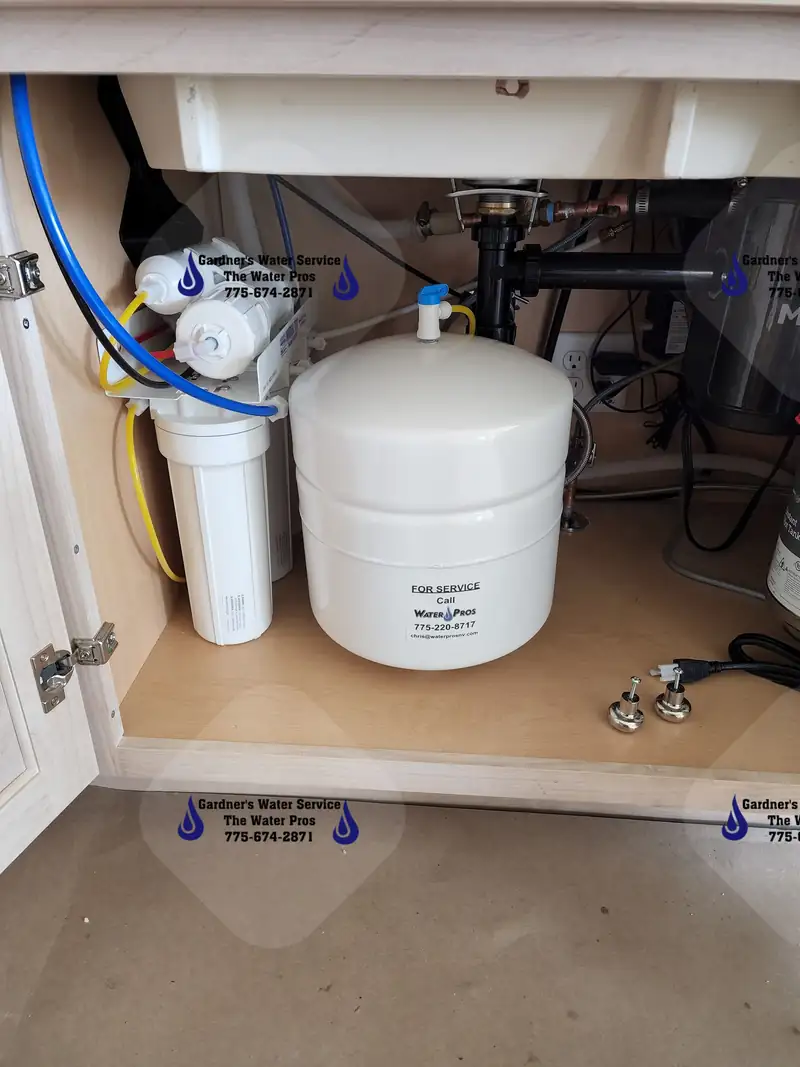
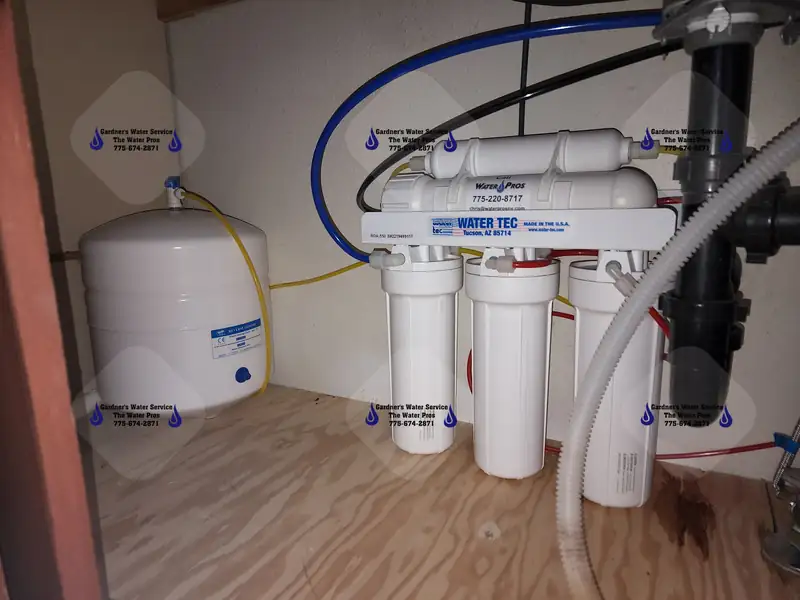
A slow RO faucet is the most common service call. The usual cause is a storage tank that has lost its air pressure, which means the tank cannot push water out at a good rate even when it is full. Clogged pre-filters and a tired membrane are the next suspects. Because we check system pressure and recharge the holding tank during every visit, many slow-flow calls are finished on the spot.
There is a longer explanation in our guide, why is my reverse osmosis slow. If the system is running but the sink still hesitates, a quick look at the tank and the filters is where we start.
TDS Test Explained
TDS stands for total dissolved solids, the minerals and salts in water, read in milligrams per liter. EPA's secondary guideline for TDS is 500 mg/L. A handheld meter reading before and after the membrane tells us how much the membrane is removing, which is why we test TDS on every RO visit. Read more on our TDS filtration page.
One note on scope: dissolved gases such as hydrogen sulfide pass through a reverse osmosis membrane. If your water has a rotten egg smell, we pair the drinking water system with the treatment that addresses sulfur. A free local basic test for hardness, iron and pH is a good first step, and our visits use a flat-rate service call fee with no hourly labor charges. If the issue is not resolved, we will return at no additional charge.